Don’t want a desk job?
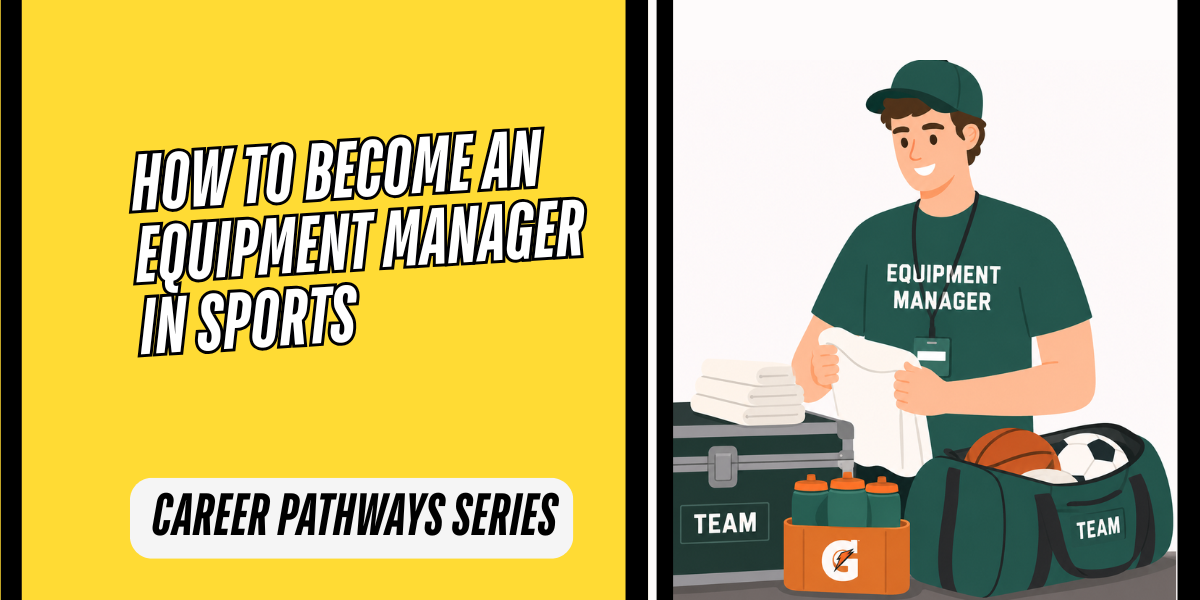
Equipment managers are constantly moving – setting up gear, organizing, and keeping things running behind the scenes.
It’s one of the more hands-on roles in sports – an unsung job that has a real impact on how a team operates day to day.
What the Job Looks Like Day to Day
Equipment managers handle the day-to-day setup that keeps a team running. Most of the work happens before anyone else arrives and after everyone leaves.
At a high level, that looks like:
- Preparing uniforms and gear for training and games
- Managing inventory and ordering equipment
- Setting up locker rooms and training spaces
- Coordinating laundry and post-game turnaround
- Handling travel logistics for gear and kits
- Supporting coaches and players with day-to-day needs
It’s detail-heavy, fast-paced, and mostly behind the scenes, but it puts you right inside the team environment.
🎥 Watch: Behind the scenes as an equipment manager from NWSL’s Seattle Reign FC and NFL’s New England Patriots:
If you watch closely, a few things stand out pretty quickly.
The job is constant movement. There’s very little downtime. It’s a lot of setting up, resetting, and staying ahead of what’s next. You’re often there before the team arrives and after they leave.
Details matter more than anything. Missing gear or a bad setup can affect the entire team.
You’re also around the team a lot. Locker room, sideline, travel. That kind of access is hard to get early in a career.
It’s physical work too. You’re lifting, organizing, packing, and moving throughout the day.
And more than anything, it comes down to reliability. Coaches and players depend on you being consistent.
How to Become an Equipment Manager
Most people don’t follow a single path, but this is what it usually looks like:
- Start close to a team
Volunteer, student manager roles, or help with equipment at your school. - Get an equipment or operations internship
Look for roles with college programs, minor league teams, or pro clubs. - Build trust and consistency
This role is built on reliability. Showing up, staying organized, and handling details well matters more than anything early. - Move into full-time roles
From there, you can grow into assistant or head equipment roles, or move into broader team operations.
When you’re searching, use terms like equipment, operations, team services, or game day operations. These roles show up across college programs, pro teams, minor league clubs, and training environments.
You don’t need a perfect resume to get started here. What actually helps is showing you’re willing to do the work. Volunteering with a team on gamedays, helping with setup, being organized, being reliable. That’s what gets noticed.
From there, this can turn into a long-term path. People move into head equipment roles, team operations, and logistics over time. It’s a straightforward way into a team environment and one that can open doors quickly.
Things to Know Before You Pursue This Path
Equipment roles can be rewarding, but they can also be physically and mentally demanding.
A few common challenges include:
- [Very] Long days during training, travel, and game schedules
- Spending most of the day on your feet and constantly moving
- Repetitive setup, breakdown, and laundry responsibilities
- Pressure to stay organized and avoid mistakes during fast-moving situations
- Working behind the scenes, often solo, without a lot of public recognition
The role is heavily built around consistency and reliability. Teams depend on equipment staff to make sure everything is ready before players and coaches ever walk into the room.
Looking for roles like this?
We track equipment, operations, and team-side internships every week.
🔗 Explore current internships and roles at TheSportsIntern.com